What Are Gallbladder Stones?
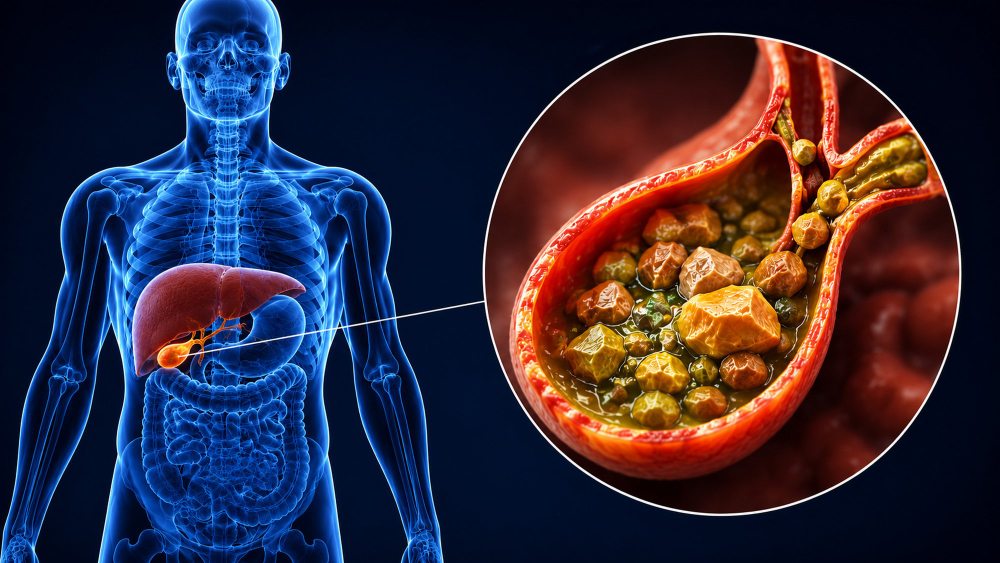
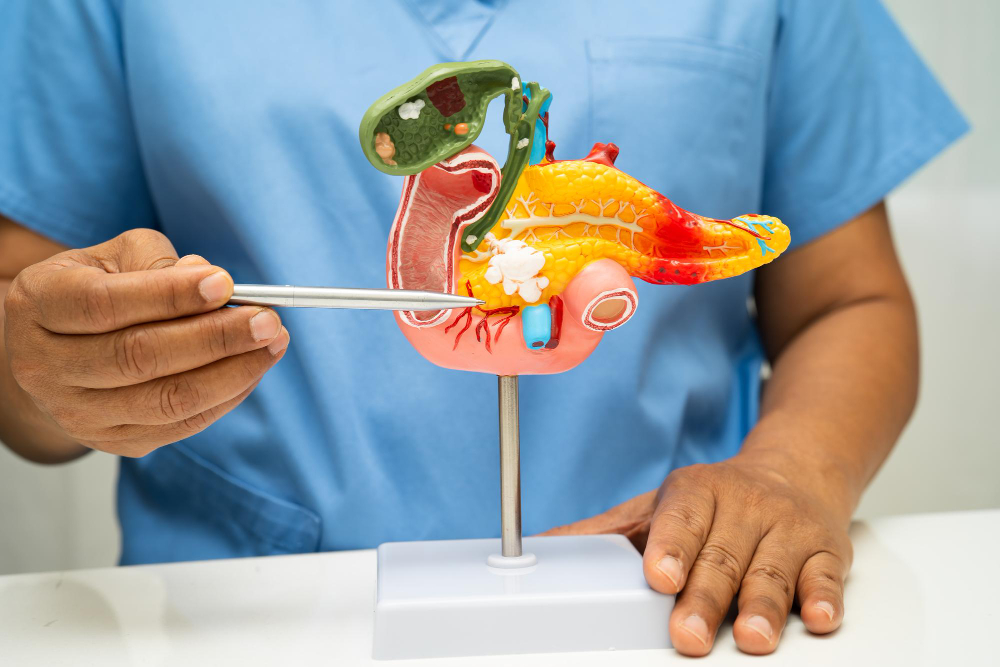
Gallbladder stones, also called gallstones, are small, hard pieces that form in the gallbladder. The gallbladder is a small organ under your liver. It stores bile, which helps your body digest fat. Sometimes, bile can harden and form stones. These stones can be as small as a grain of sand or as large as a golf ball. While many people have gallbladder stones and do not feel any symptoms, others may have pain or other problems.
Common Symptoms of Gallbladder Stones
Not everyone with gallbladder stones will have symptoms. However, when symptoms appear, they can be uncomfortable. For example, you may notice pain in your upper right belly. This pain can come and go. In addition, you might feel pain after eating fatty foods. Other symptoms can include:
If you have severe pain, fever, or yellow skin, seek medical help right away. These can be signs of a serious problem.
Causes and Risk Factors
Gallbladder stones form when the balance of substances in bile changes. For instance, too much cholesterol or bilirubin can lead to stones. Several factors can increase your risk, such as:
According to the CDC, gallbladder stones are more common in women and older adults. But anyone can get them.
How Gallbladder Stones Are Diagnosed
Doctors use several tests to find gallbladder stones. First, they may ask about your symptoms and check your belly. Next, they may order an ultrasound. This test uses sound waves to create pictures of your gallbladder. Sometimes, other tests like blood tests or CT scans are needed. These tests help rule out other problems and check for infection or blockage.
When Is Surgery Needed for Gallbladder Stones?
Many people with gallbladder stones do not need treatment if they have no symptoms. However, surgery may be needed if you have:
Doctors often remove the gallbladder in a surgery called cholecystectomy. This is a common and safe procedure. Most people recover quickly. If you wonder when to remove the gallbladder, your doctor will guide you based on your symptoms and test results.
Prevention and Lifestyle Tips
While you cannot prevent all gallbladder stones, you can lower your risk. For example, you can:
These steps can help keep your gallbladder healthy and may reduce your risk of stones.
Frequently Asked Questions
Can gallbladder stones go away on their own?
Usually, gallbladder stones do not go away without treatment. Some people may never have symptoms, but stones often stay in the gallbladder.
What is the treatment for gallstones?
Treatment for gallstones depends on your symptoms. If you have pain or problems, surgery is often the best option. In rare cases, medicines can help dissolve stones, but this is not common.
Is it safe to live without a gallbladder?
Yes, you can live a normal life without a gallbladder. Your liver will still make bile to help digest food. However, you may need to avoid very fatty meals.
Conclusion
Gallbladder stones are common and can cause pain or other problems. However, many people never have symptoms. If you notice pain, fever, or yellow skin, see a doctor. Early diagnosis and treatment can prevent serious issues. Consult a specialist Dr Rahul Jadhav for personalized guidance on gallbladder stones.