What is Thyroidectomy?
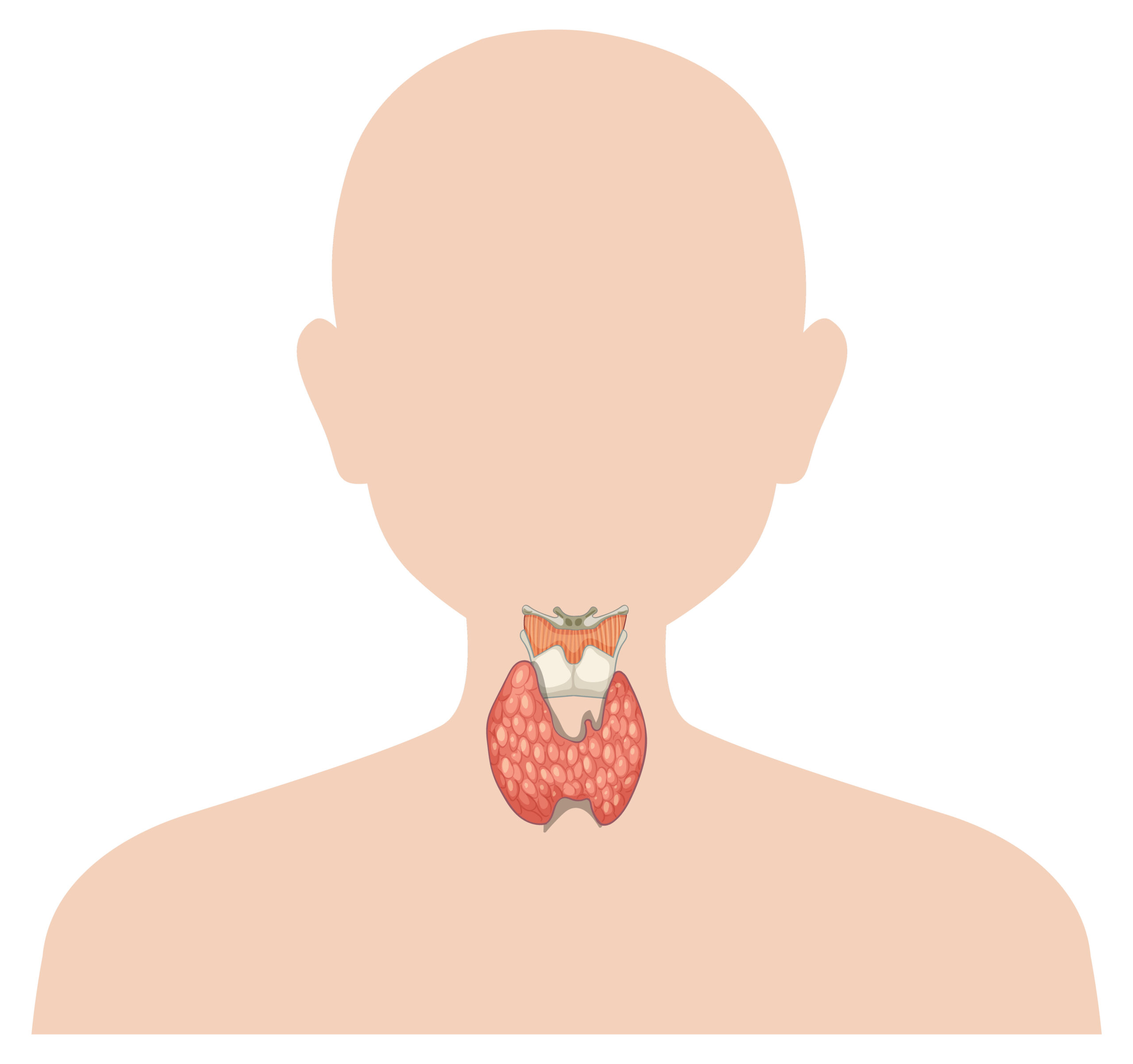
Thyroidectomy is a surgery to remove all or part of the thyroid gland. The thyroid is a small, butterfly-shaped gland in your neck. It helps control your body’s metabolism, energy, and growth. Doctors may suggest thyroidectomy for several reasons. Often, this surgery helps treat thyroid cancer, large goiters, or overactive thyroid (hyperthyroidism). Because thyroidectomy is a major surgery, it is important to know what to expect before, during, and after the procedure.
Reasons for Thyroidectomy
There are several reasons why a doctor may recommend thyroidectomy. Some common reasons include:
In many cases, surgery is the best way to treat these problems. However, your doctor will discuss all options with you.
Symptoms Indicating the Need for Thyroidectomy
Some symptoms may suggest you need thyroid surgery. For example, you might notice:
If you have these symptoms, it is important to see your doctor. Early evaluation can help find the best treatment.
How Thyroidectomy is Diagnosed and Planned
Before surgery, your doctor will do several tests. These help decide if thyroidectomy is right for you. Common steps include:
Once your doctor has all the information, they will plan your surgery. They will also explain how to prepare for thyroidectomy and what to expect.
The Thyroidectomy Procedure: Step-by-Step
Knowing what happens during thyroidectomy can ease your worries. Here is a step-by-step overview:
Most thyroidectomies take about 1 to 2 hours. However, the exact time may vary.
Recovery and Aftercare
After thyroidectomy, you will spend a few hours in the hospital. Sometimes, you may stay overnight. During recovery, you may notice:
Your doctor will give you instructions for home care. For example, you may need to:
In some cases, you may need thyroid hormone pills if your whole gland was removed. Regular follow-up visits are important to check your recovery and hormone levels.
Potential Risks and Complications
Like any surgery, thyroidectomy has some risks. However, most people recover well. Possible risks include:
Your surgeon will discuss these risks with you before surgery. According to the American Thyroid Association, serious problems are rare when the procedure is done by an experienced surgeon.
Tips for a Smooth Recovery
There are several ways to help your body heal after thyroidectomy. For example:
If you notice unusual symptoms, such as severe pain, trouble breathing, or tingling in your hands or lips, contact your doctor right away.
Prevention and Lifestyle Guidance
While you cannot always prevent thyroid problems, some healthy habits may help. For instance:
Early detection and treatment can make a big difference in your health.
Conclusion
Thyroidectomy is a common and safe surgery for many thyroid problems. Knowing what to expect before, during, and after surgery can help you feel more at ease. For personalized advice about thyroidectomy, consult Dr Rahul Jadhav, Book a consultation now.