What is a Mastectomy?
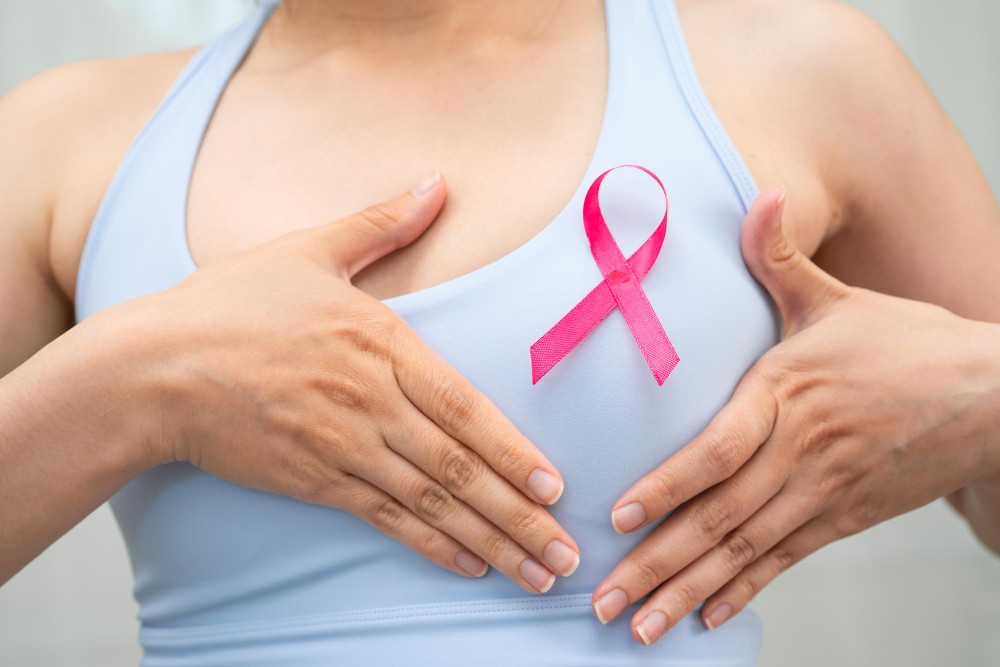
A mastectomy is a surgery to remove one or both breasts. Doctors often suggest this breast removal procedure to treat or prevent breast cancer. Sometimes, it is the best way to stop cancer from spreading. According to the World Health Organization (WHO), mastectomy is a common and safe treatment for many patients. While it may sound scary, many people recover well after this surgery.
Reasons for Mastectomy
Doctors may recommend mastectomy for several reasons. For example, it is often used when:
Sometimes, people choose mastectomy to lower their risk, even if they do not have cancer yet.
Types of Mastectomy
There are different types of mastectomy. Each type depends on the person’s needs and the doctor’s advice. The main types include:
Your doctor will help choose the best type for you.
How to Prepare for Surgery
Proper preparation helps you feel ready for mastectomy surgery. Before the operation, your healthcare team will explain what to expect. You may need to:
Additionally, ask your doctor any questions you have. This can help reduce worry and confusion.
The Surgical Procedure
On the day of surgery, you will go to the hospital. First, you will get anesthesia, so you do not feel pain. The surgeon will then remove the breast tissue as planned. Sometimes, lymph nodes are also removed. The surgery usually takes one to three hours. Afterward, you will wake up in a recovery room. Nurses will check your health and comfort.
Recovery and Aftercare
After mastectomy, recovery takes time. Most people stay in the hospital for one or two days. At home, you will need to rest and follow your doctor’s advice. Some helpful mastectomy recovery tips include:
For post-mastectomy care, always follow your healthcare team’s instructions. This helps you heal faster and lowers the risk of problems.
Risks and Complications
Like any surgery, mastectomy has some risks. However, most people recover without serious issues. Possible problems include:
If you notice any unusual symptoms, contact your doctor right away. Early care can prevent bigger problems.
Tips for Emotional and Physical Well-being
After a mastectomy, it is normal to feel many emotions. For example, you may feel sad, worried, or unsure. But there are ways to cope and feel better. Try these tips:
Remember, healing takes time. Be kind to yourself during recovery.
Prevention and Follow-up Care
After mastectomy, regular check-ups are important. Your doctor will watch for any signs of cancer coming back. You may also need:
In some cases, your doctor may suggest breast reconstruction or a prosthesis. This can help you feel more comfortable and confident.
In summary, mastectomy is a safe and common way to treat or prevent breast cancer. With the right care and support, most people recover well. Consult Dr Rahul Jadhav for personalized advice about mastectomy.