What is a Hydrocele?
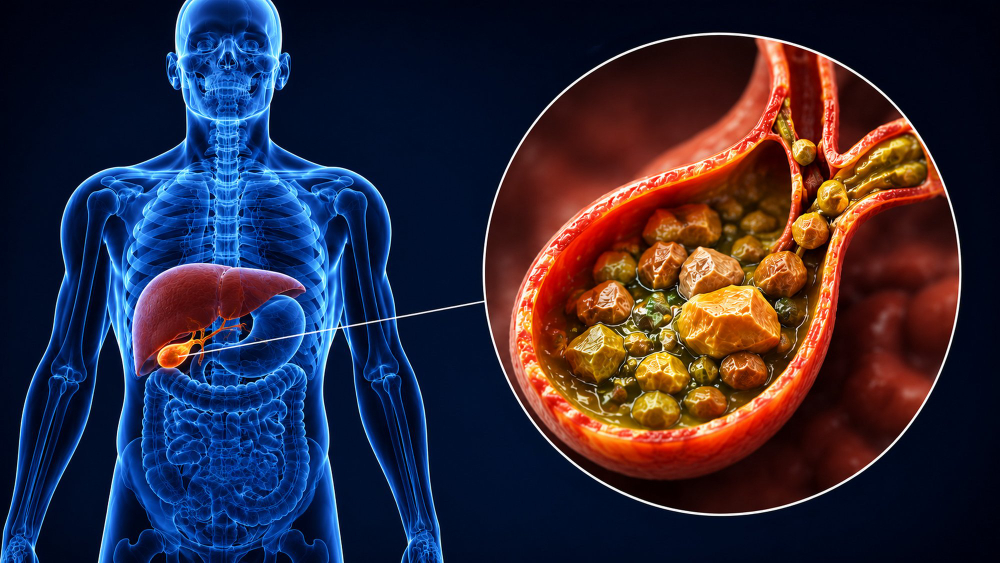
A hydrocele is a swelling in the scrotum. It happens when fluid builds up around the testicle. Usually, hydroceles are painless and not dangerous. However, they can cause discomfort or worry. Many men and boys experience hydroceles at some point. In fact, hydrocele is common in newborns and older men. Although most cases are harmless, some may need medical care. Understanding hydrocele symptoms and causes can help you know when to seek help.
Causes of Hydrocele
Hydroceles can develop for different reasons. Sometimes, the cause depends on age. For example, in babies, hydroceles often form before birth. In adults, they may result from another health issue. Below are common hydrocele causes:
Sometimes, the exact cause is unknown. Yet, knowing these risk factors can help you understand your own health better.
Common Symptoms of Hydrocele
Most hydroceles do not cause pain. However, they can still lead to other symptoms. For instance, you may notice:
Sometimes, symptoms can be mild. But if you notice sudden pain or severe swelling, seek medical help right away. This could mean another issue, such as a twisted testicle.
How is Hydrocele Diagnosed?
Doctors use simple tests to diagnose hydrocele. First, they will ask about your symptoms and health history. Next, they will do a physical exam. During the exam, your doctor may shine a light through the scrotum. This test, called transillumination, helps show if fluid is present. In some cases, your doctor may order an ultrasound. This test uses sound waves to create images of the scrotum. Ultrasound can help rule out other causes of swelling, such as hernias or tumors. Because hydrocele symptoms can look like other problems, proper diagnosis is important.
Modern Treatment Options for Hydrocele
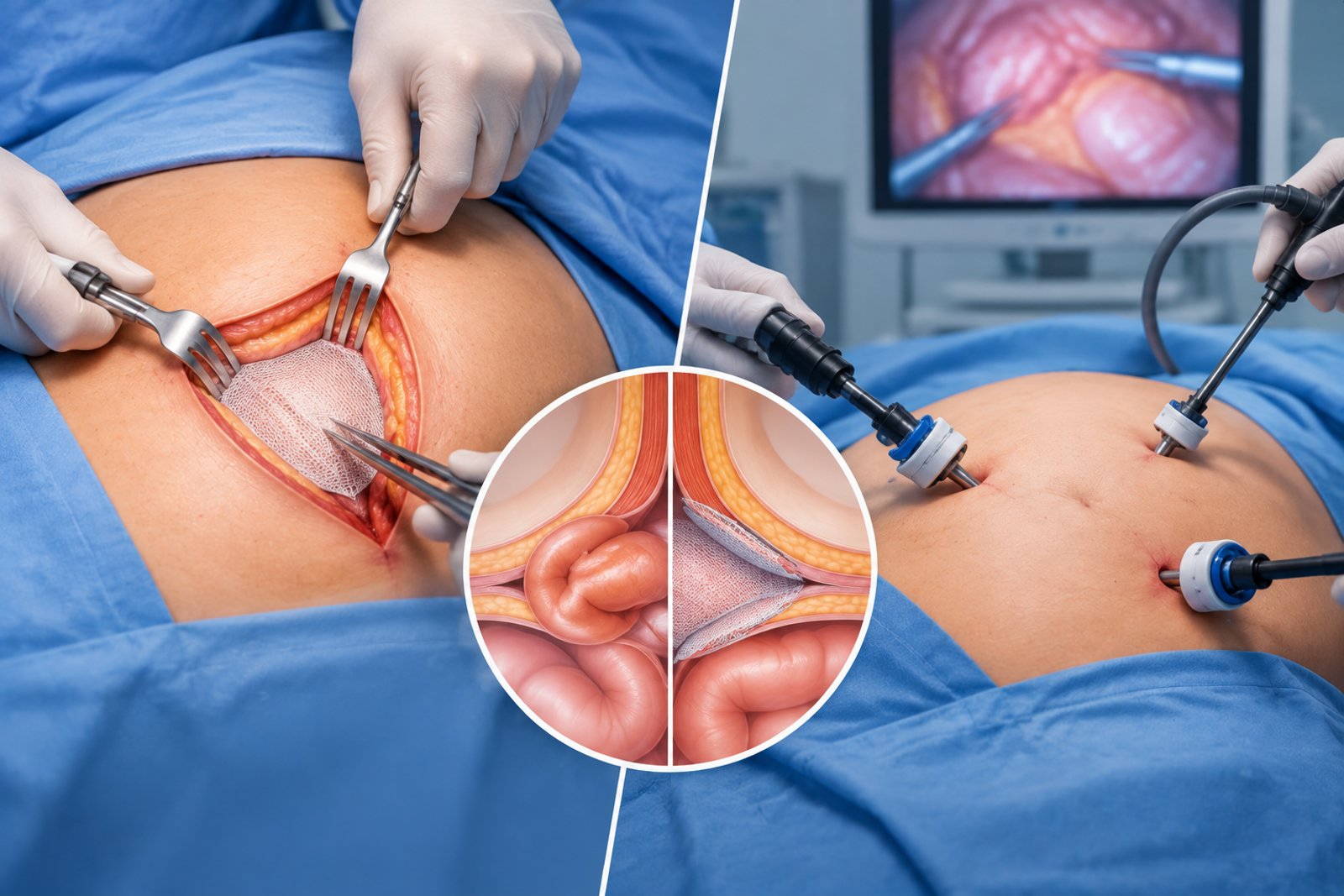
Many hydroceles go away on their own, especially in babies. However, adults may need treatment if the swelling is large or uncomfortable. Today, several hydrocele treatment options are available:
In many cities, including hydrocele treatment in New York and other major centers, modern surgery uses small cuts and quick recovery methods. Your doctor will help you choose the best option for your needs.
Prevention and Lifestyle Guidance
Not all hydroceles can be prevented. However, some steps may lower your risk. For example, you can:
Although hydroceles are usually harmless, regular check-ups can help catch any changes early. If you have questions about hydrocele symptoms or treatment options, cosult Dr Rahul Jadhav now. Staying informed helps you take better care of your health.