What Are Piles, Fissure, and Fistula?
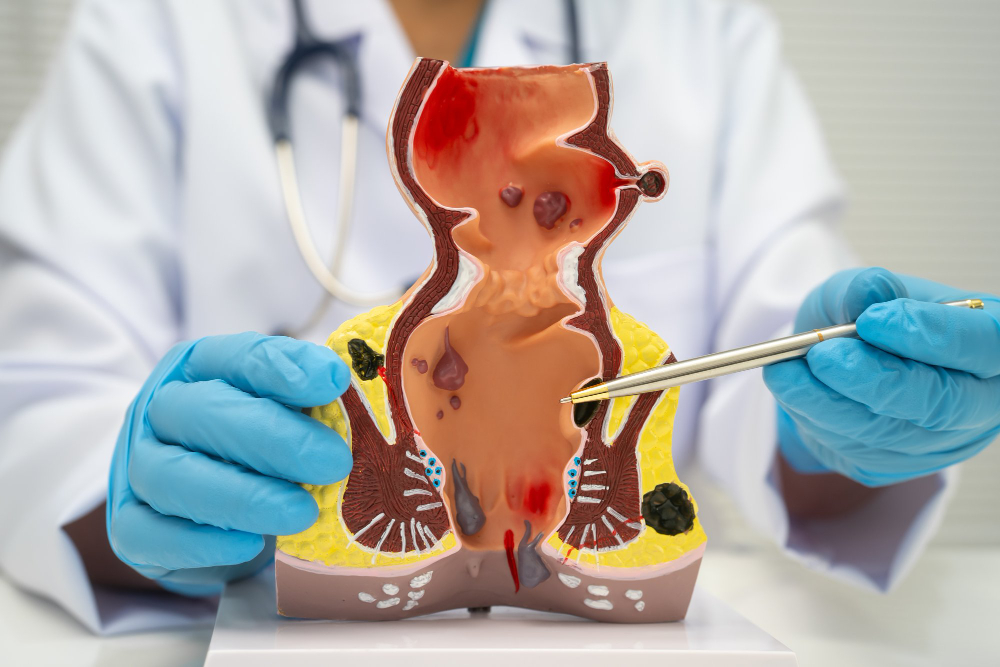
Piles, fissure, and fistula are common problems that affect the area around the anus. Many people feel confused about these conditions. Piles, fissure or fistula: how to identify the difference is important for proper care. Let us look at what each one means.
Although these conditions sound similar, they have different causes and symptoms. Knowing the difference helps you get the right treatment.
Key Symptoms and How They Differ
Each condition has its own signs. However, some symptoms may overlap. Here is how to tell piles from fissure and fistula:
While piles often cause painless bleeding, fissures lead to pain. Fistulas usually involve pus or repeated infections. If you notice any of these signs, it is best to seek medical advice.
Causes and Risk Factors
Understanding the causes helps prevent these problems. Here are the main reasons for each condition:
Although anyone can get these conditions, people with poor bowel habits or certain health issues are at higher risk.
Diagnosis: How Doctors Identify Each Condition
Doctors use simple steps to find out which condition you have. First, they ask about your symptoms and medical history. Next, they do a gentle physical exam. Sometimes, they use a gloved finger to check the area. For piles, doctors may see swollen veins. In the case of fissure, they look for a small tear. For fistula, they check for an opening or pus near the anus.
In some cases, doctors may suggest tests like:
Early diagnosis helps prevent problems. Therefore, do not delay seeing a doctor if you have symptoms.
Treatment Options for Each Condition
Treatment depends on the type and severity of the condition. Here are common options:
Although home care helps mild cases, always consult a doctor for the best treatment plan.
Prevention and Lifestyle Tips
Good habits can lower your risk of piles, fissure, or fistula. Here are some tips:
By following these steps, you can reduce your risk and improve your health. In India, these tips are especially important due to common dietary habits.
In summary, knowing the difference between piles, fissure, and fistula helps you get the right care. If you have symptoms, consult Dr Rahul Jadhav for personalized guidance.